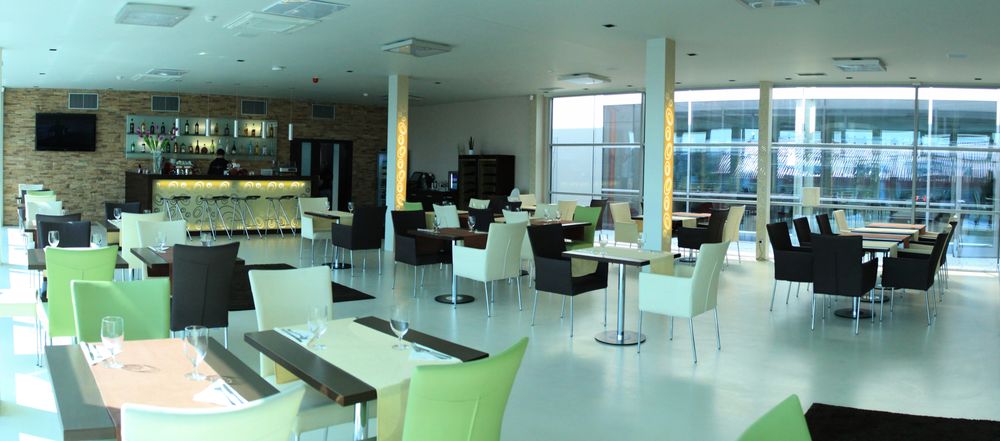
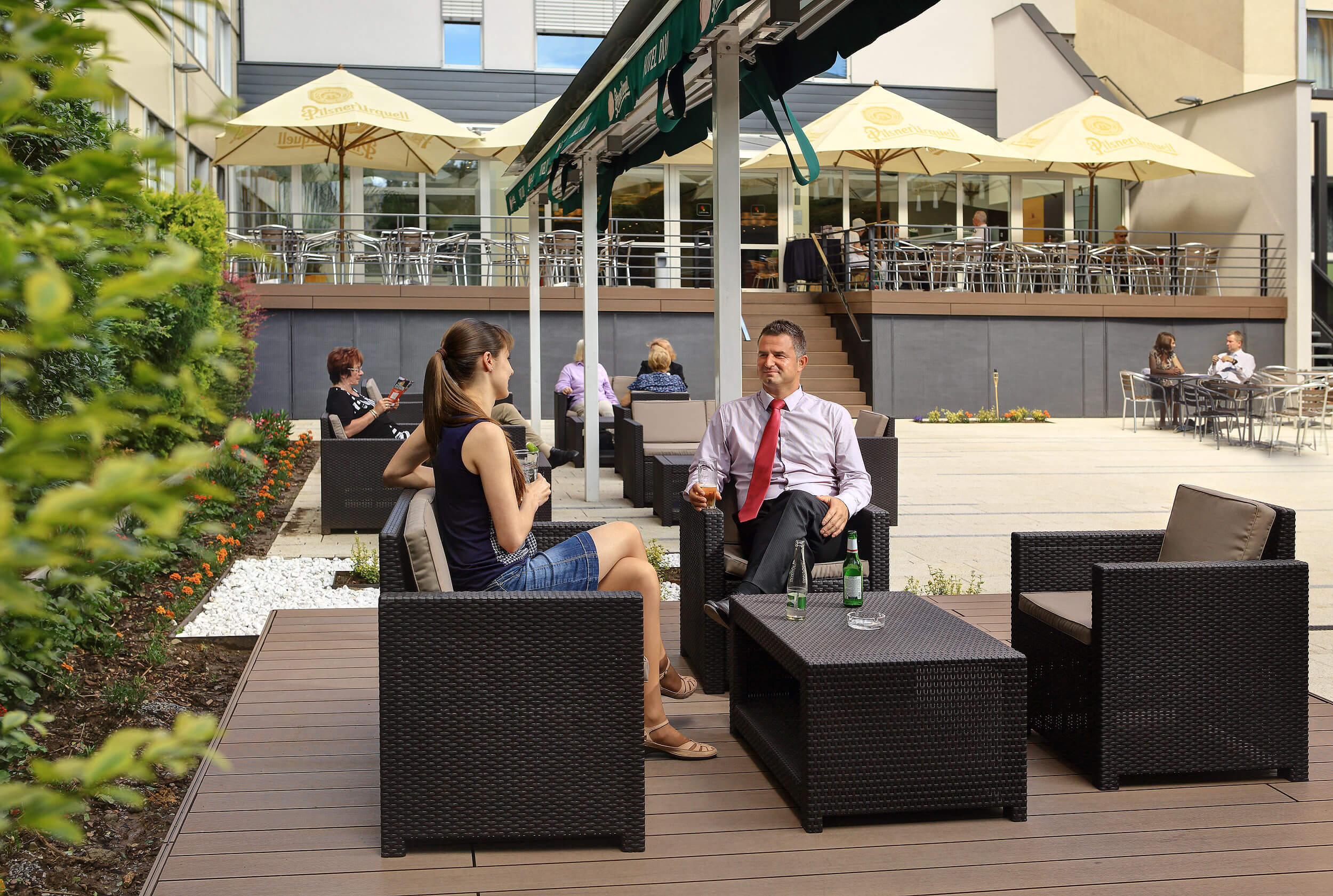
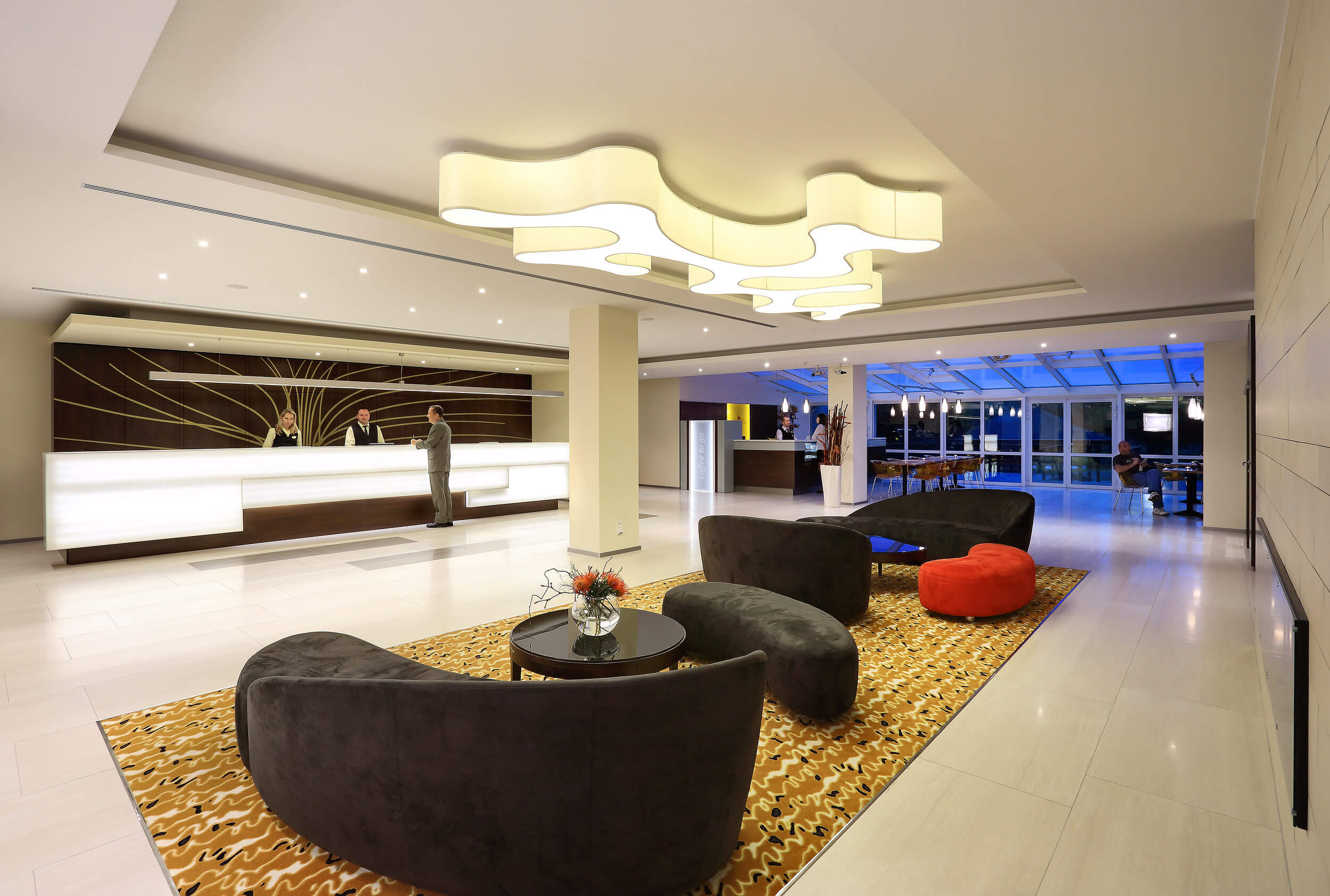
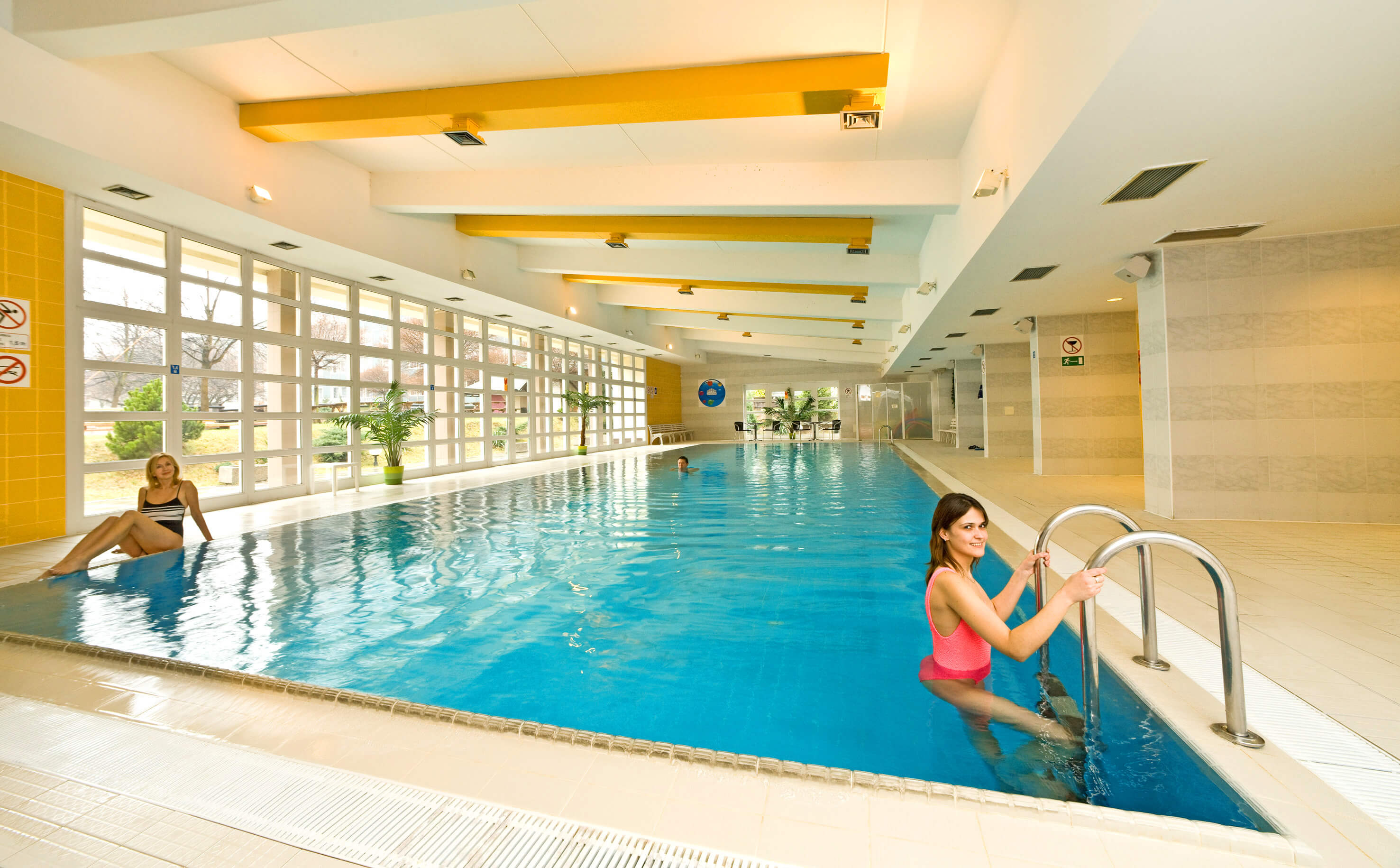
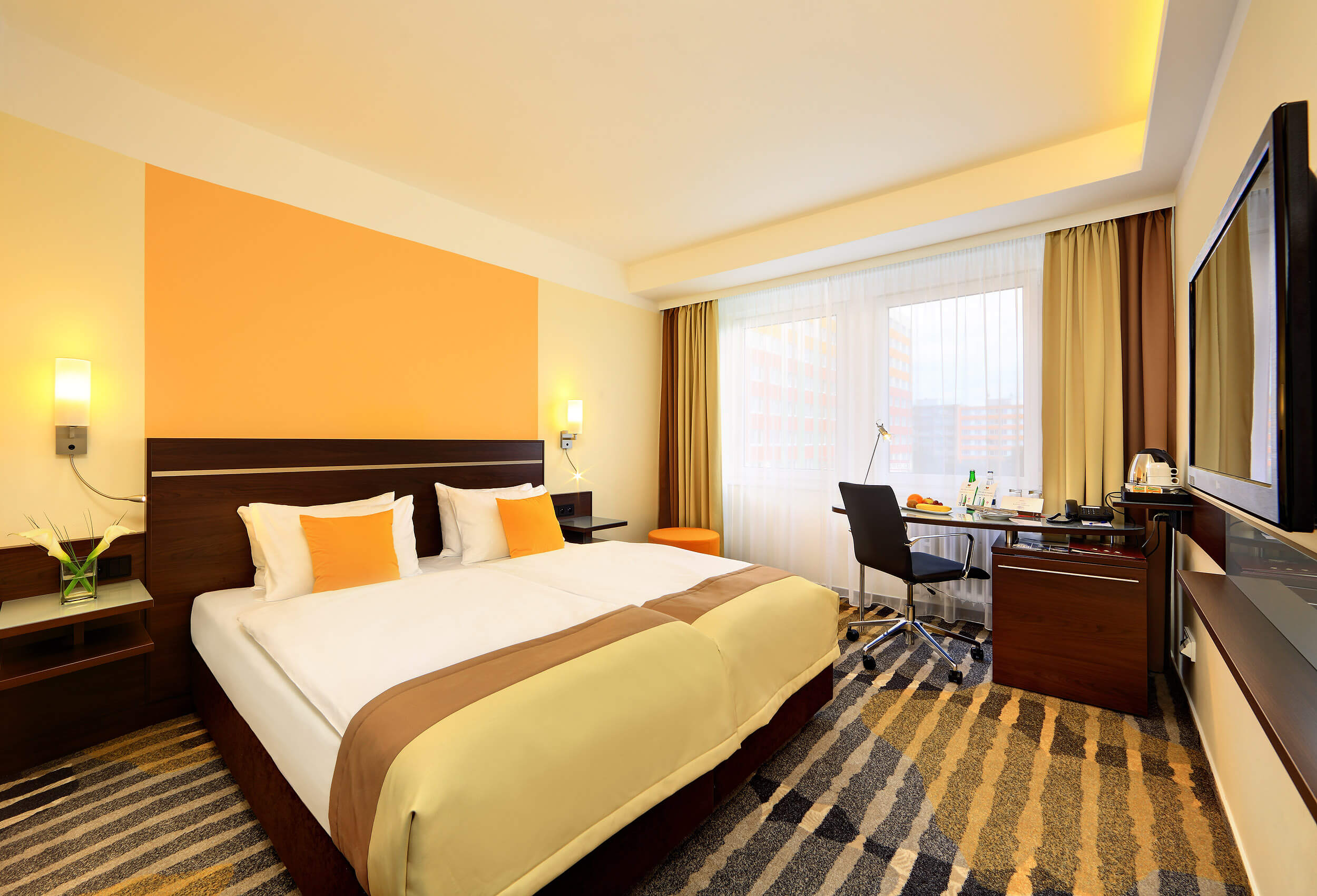
Hotel Duo
E: info@wisc2015.com
T: +420 266 131 111
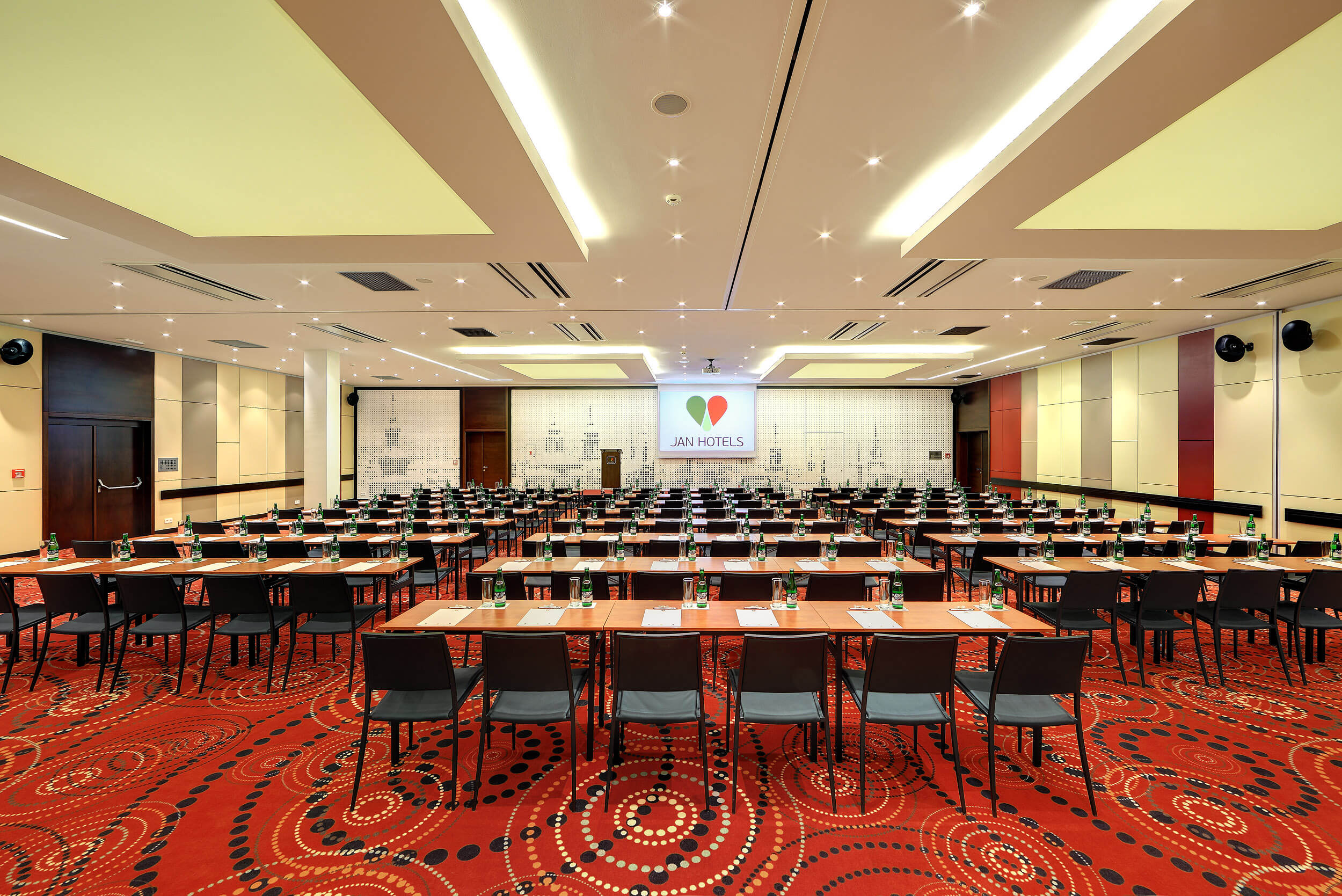
The opening and closing ceremony will be held in this hotel as well as any other social events.
Address
Teplická 492,190 00 Prague 9
Czech Republic
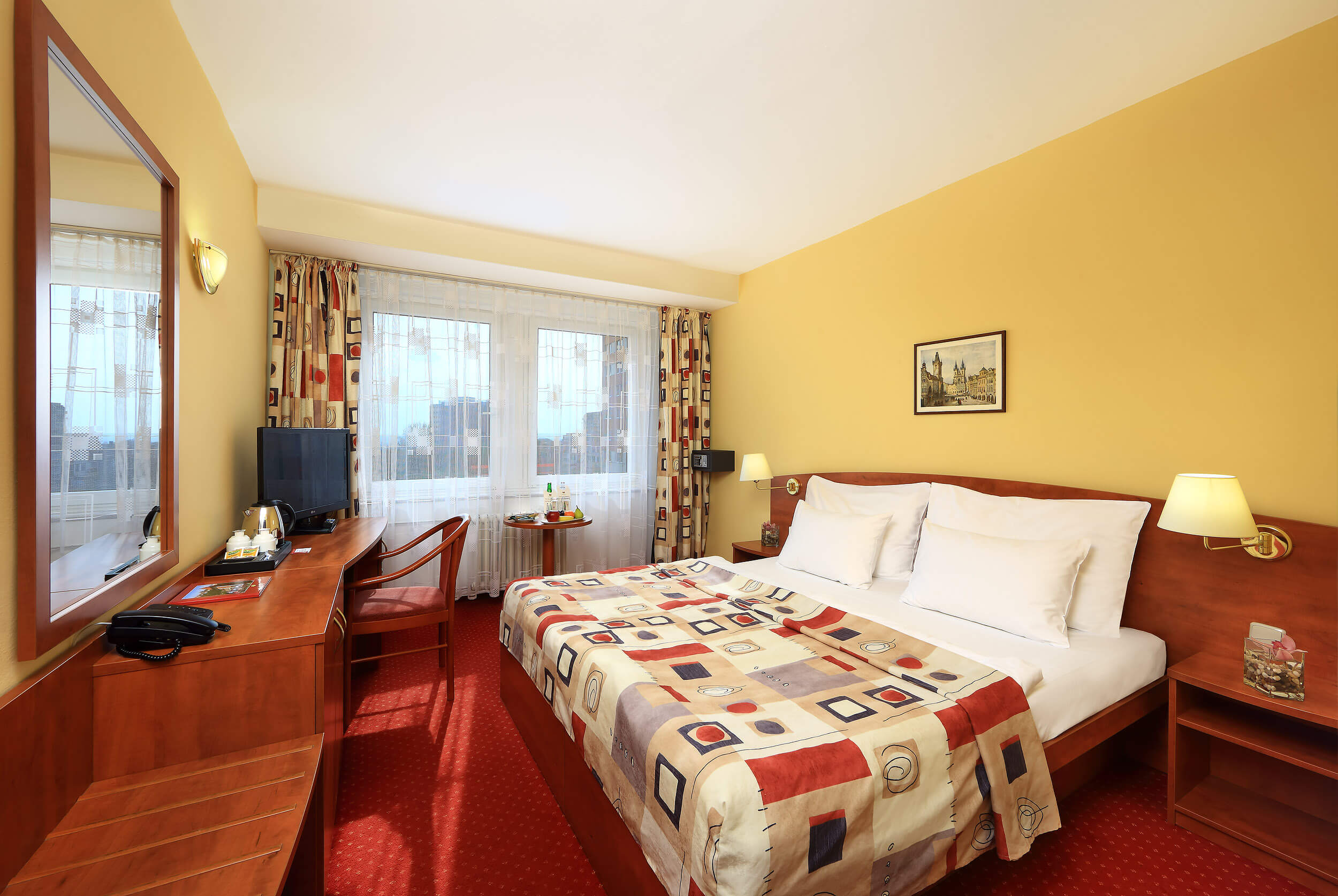
Make a booking for the competition
1) Click on the following link:secure.janhotels.cz/BE_Account.aspx?Lang=eng&agent=true
2) Login: skydive15
Password: skydive15
3) Choose the hotel and dates.
4) Book your room.
5) You will receive a confirmation of your booking and password, which will allow you to log in again and possibly change or cancel the booking.
Make a booking for your training
To make a booking for any dates before the 16.10. and get a discounted price, please contact info@wisc2015.com .Transport from the Tunnel
Take bus 201 from Tupolevova station (towards Nadrazi Holesovice) and get off the bus at Strizkov station. The hotel will be in front of you. The journey takes about ten minutes.Other hotel options
Price: 80 € / room for 2 / night
Distance: 15 minutes walk from the tunnel, 3 minutes by bus
www.blueorange.cz/en/
Hotel Imos, Prague
Price: 32 € / room for 2 / night
Distance: 10 minutes from the tunnel by bus
www.hotel-imos.com/en/
Hotel Bella, Prague
Price: 45 € / room for 2 / night
Distance: 15 minutes from the tunnel by bus
www.hotelbella.cz/en/
When indoor skydiving meets international competition, athletes travel from across the globe to converge in a single wind tunnel for a test of precision and nerve. The vertical chamber replaces the open sky, allowing flyers to perform complex formations and solo routines in a controlled environment. Disciplines such as formation skydiving, vertical formation, and freestyle showcase the sport's blend of aerobatics and choreography. With standardized judging, every rotation, grip, and transition is evaluated against a global benchmark. Hosting such an event requires cooperation between national federations, sanctioning bodies, and host venues, all working together to ensure fair competition and memorable performances.
Choosing a venue for a championship involves more than locating a suitable tunnel. Organizers consider flight chamber dimensions, airflow quality, and proximity to lodging, dining, and transport. A comfortable hotel base allows teams to focus on training and recovery between competition rounds. Many championships pair an official partner hotel with the tunnel facility, creating a smooth daily routine of briefings, practice jumps, scoring, and rest. Central locations also support ceremonies, meetings, and informal gatherings where flyers exchange techniques. When logistics align, the experience feels seamless for athletes, coaches, officials, and visiting supporters exploring the host country.
Junior and senior categories run side by side at major indoor events, giving newcomers a chance to measure themselves against experienced rivals. Teams from established nations share airspace with emerging programs, broadening the competitive field. Mixed disciplines such as dynamic and freestyle challenge flyers to interpret music, camera work, and audience appeal. Female, solo, and four-way formats highlight the diversity of skills required to succeed. Scoreboards update live as judges assess each performance, and recorded footage allows teams to review and refine their routines. The atmosphere inside the tunnel carries outward into the spectator area, where anticipation builds with every flight.
Live streaming has transformed how indoor skydiving championships reach their audiences. Online viewers can follow scores, schedules, and replay highlights without leaving home. Bulletins, official documents, and updated rules are posted before the competition begins, ensuring that teams arrive informed about judging criteria and flight orders. Partners and sponsors support the event through signage, broadcast graphics, and on-site activations that connect the sport to its broader community. Media coverage introduces new fans to the discipline, while archived streams preserve historic moments for future generations of flyers studying technique and team strategy.
The social side of a championship is as meaningful as the flying itself. Opening and closing ceremonies bring together athletes, officials, and organizers to mark the beginning and conclusion of the gathering. Shared meals, hotel common areas, and post-flight discussions help build friendships that extend across national federations and continents. These connections often lead to collaborative training camps, joint projects, and lasting exchanges between competing nations. Beyond medals and records, the event leaves participants with stories, photographs, and memories of a sport that thrives on community, discipline, and the pure joy of human flight inside a vertical wind tunnel.
Venue
Wind Tunnel
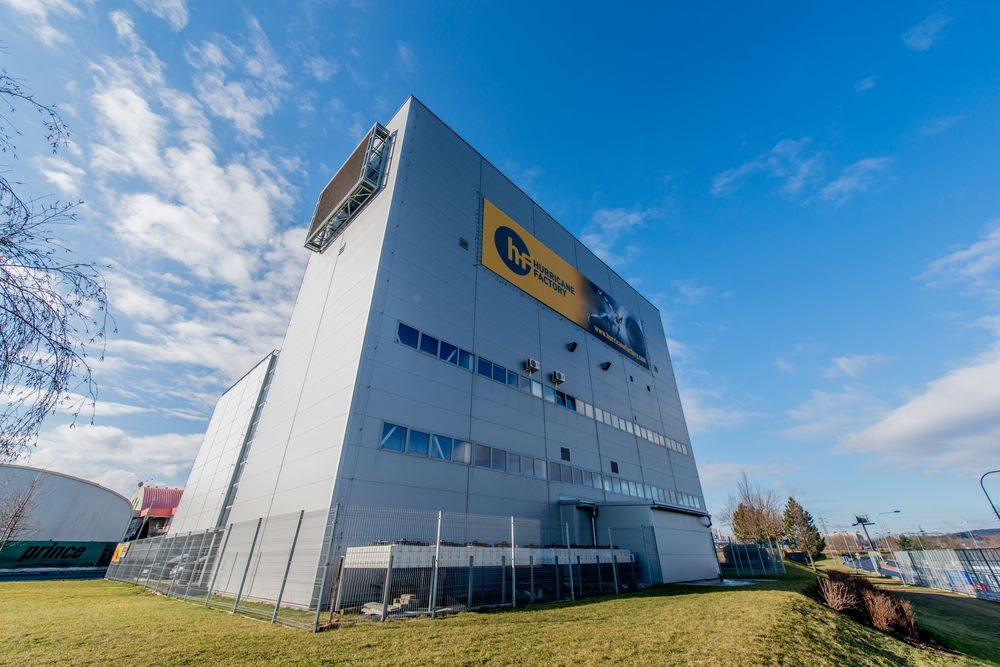
Hurricane Factory Prague is located in the North of Prague (Czech Republic), next to a shopping center.Address: Hurricane Factory Prague, Tupolevova 736, Prague 9, 199 00, Czech Republic
By Plane
The closest international airport is Václav Havel Airport Prague ( www.prg.aero/en/ ), which is located within a reasonable driving distance, approx. 30 minutes by car or taxi.There are several car rental companies available at the airport: www.prg.aero/en/parking-transport/rent-cars/ .
By Taxi
Modrý anděl+420 737 222 333
online@wisc2015.com
From 18.10. until 26.10. use the code “SKY” when doing a reservation and you’ll get a discount.
Or you can just catch any taxi standing in front of the airport. Tell them to take you either to Tupolevova 736 (the tunnel) or Teplicka 492 (Hotel Duo).
By Public Transport
There is a dense network of public transport in Prague (subway, trams, buses). Bus stop Tupolevova is in walking distance from the tunnel.From the airport, you can take a bus 119 to Nadrazi Veleslavin, there you take a metro line A (green, towards Depo Hostivar), on the station Muzeum change for metro line C (red, towards Letnany), go all the way to the final station, take the very right exit from the metro, hop on bus 201, 195, 140, or 110 and get off the bus at Tupolevova station. Cross the road, you’ll see the tunnel in front of you. The whole journey takes about an hour.
(Or if you want to go directly to hotel Duo, once you are on the metro line C (red, towards Letnany), get off at Strizkov station, look at the metro station for the ‘Hotel Duo’ sign and follow it. The hotel will be on your left-hand side. It is a big red & orange building.)
Don’t forget to buy a tickets before boarding the bus. You can do that at news stands or ticket vending machines. You will need local currency (CZK) for that.
More info about public transport in Prague could be found here: www.myczechrepublic.com/prague/transportation.html
Facilities
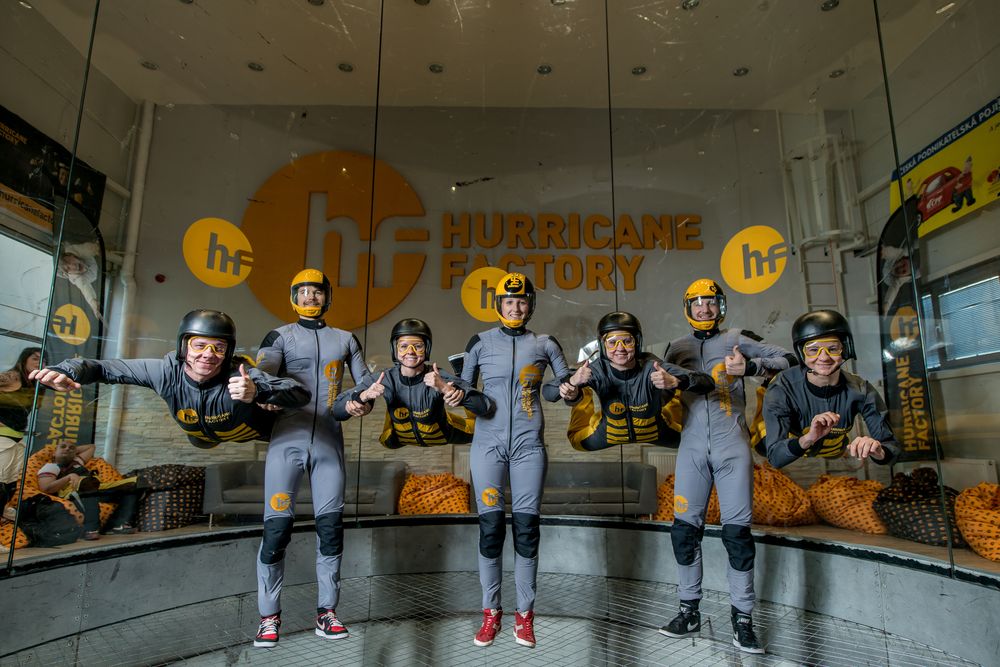
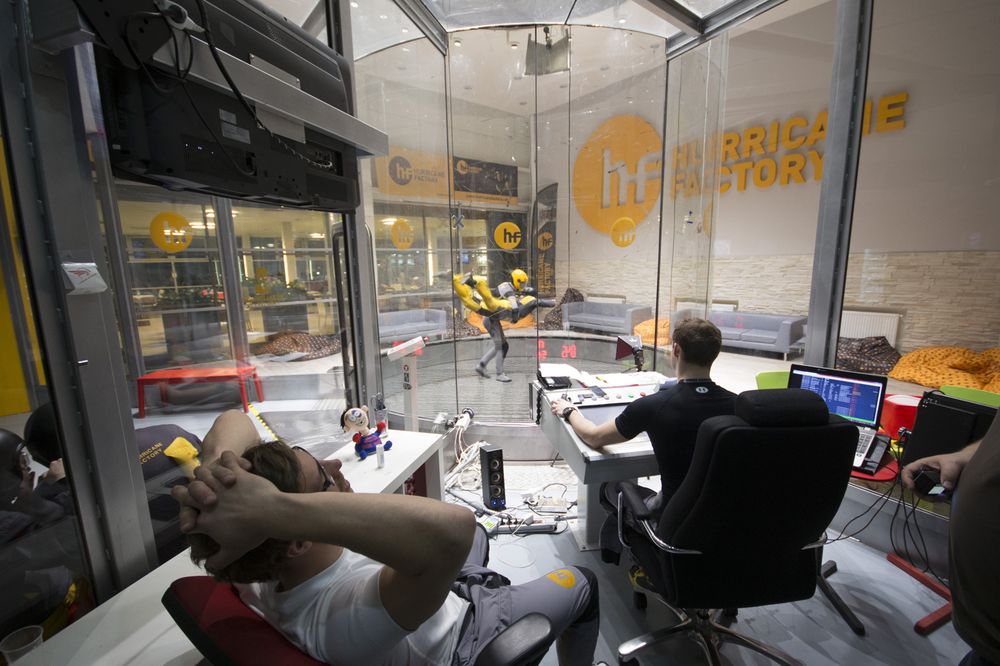
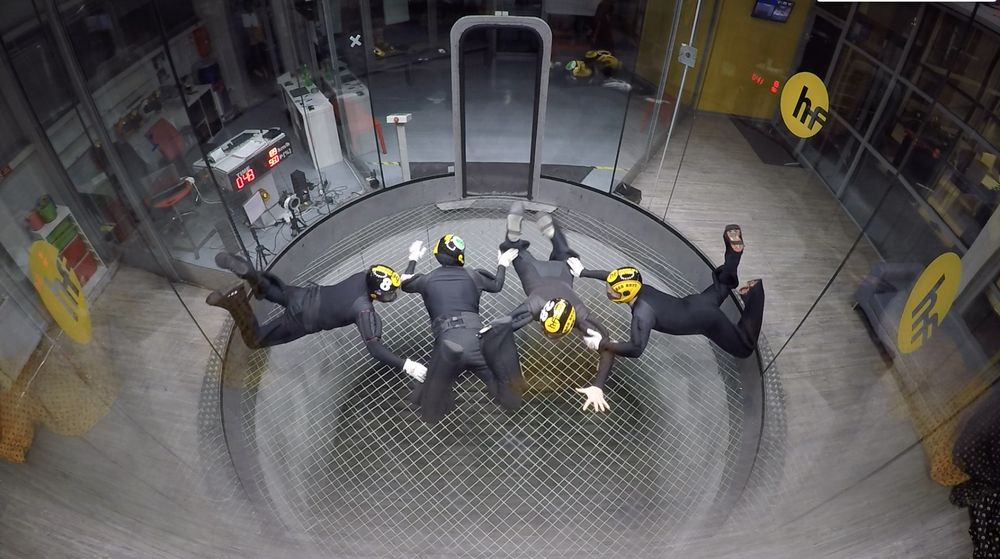
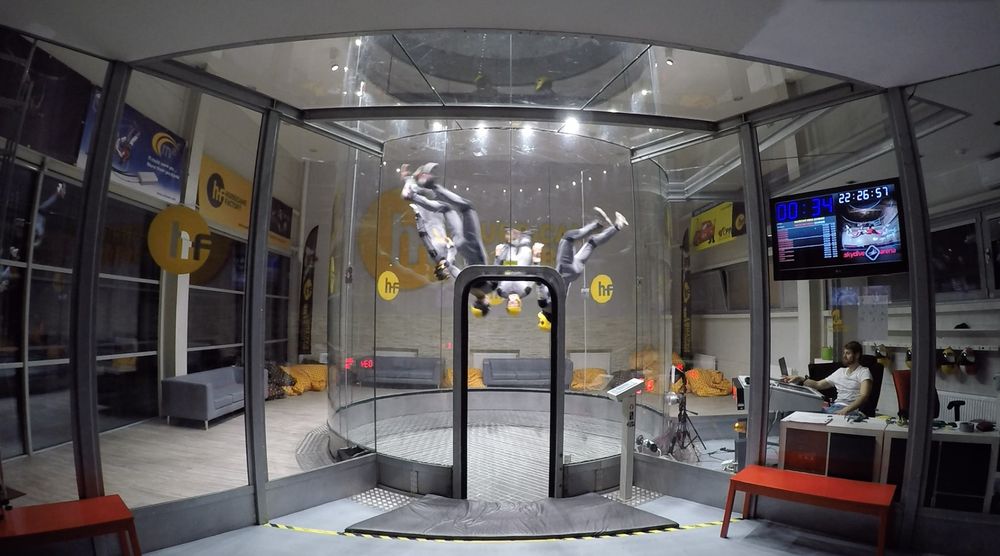
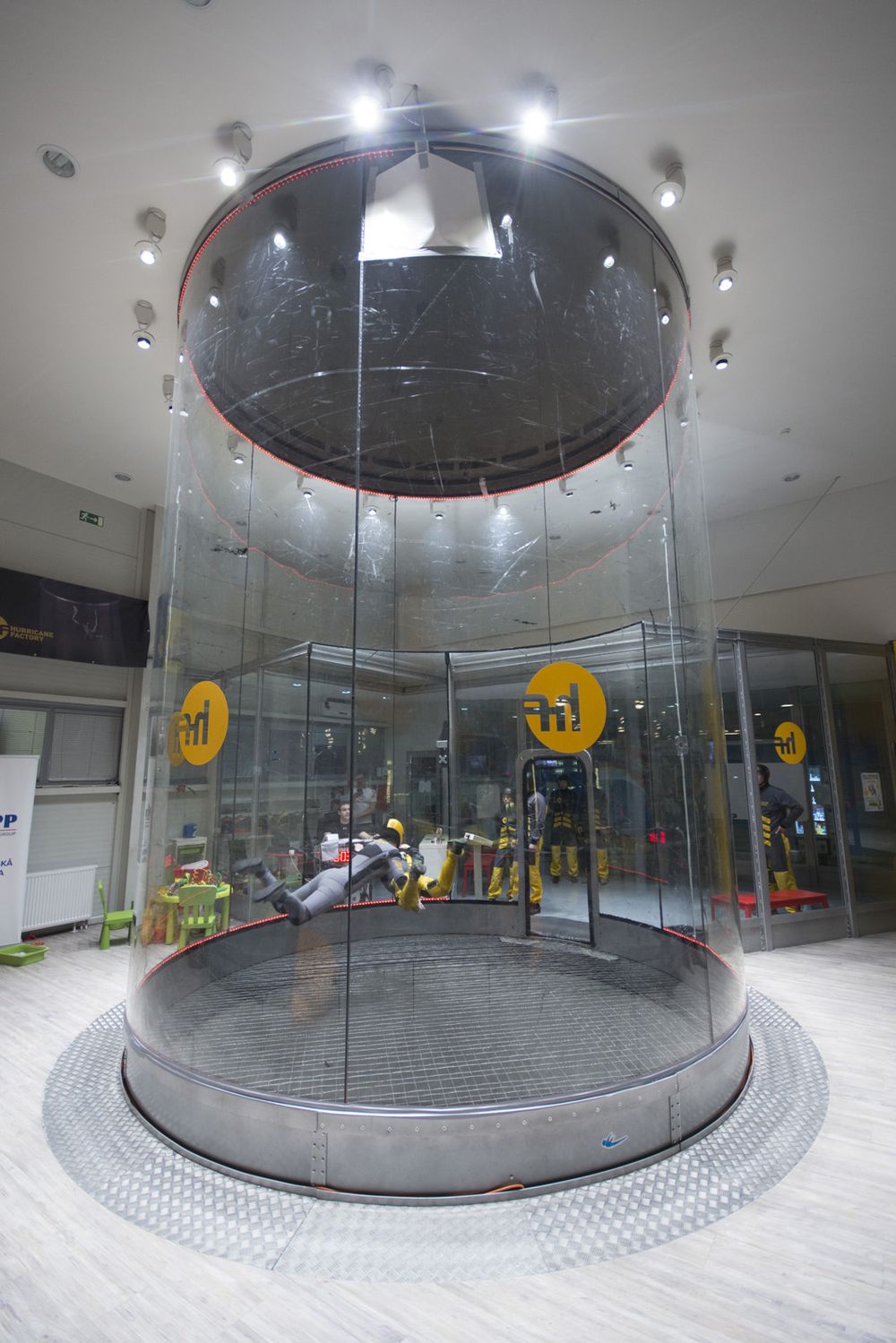
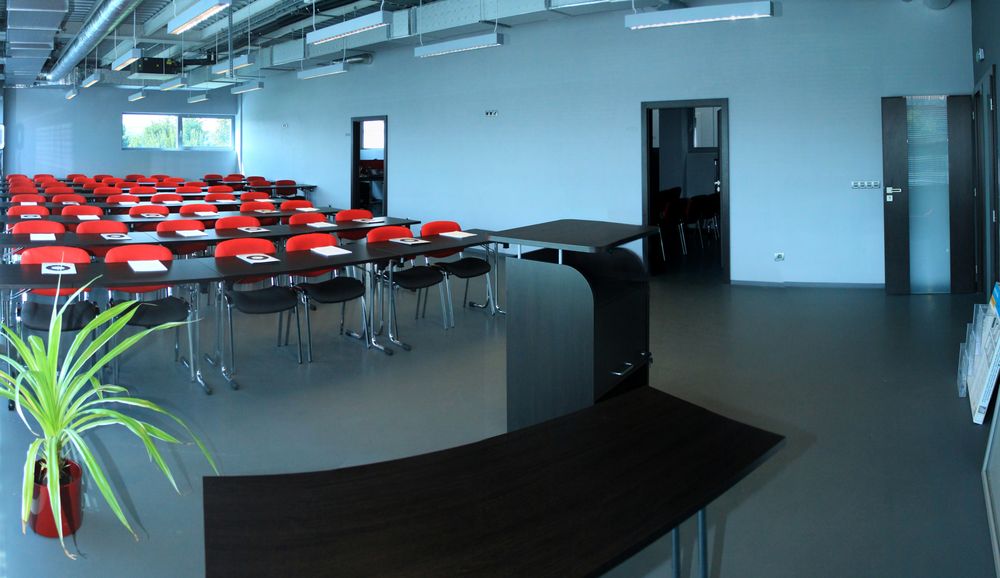
Hurricane Factory Prague is a wind tunnel with diameter of 4.3m/14ft. and height of 14m (the glass part is 6m tall).The facility consists of two buildings. It includes Italian restaurant, conference room, terrace with Jacuzzi, large changing rooms, viewing gallery etc.
InTime scoring system will be used for the competition.